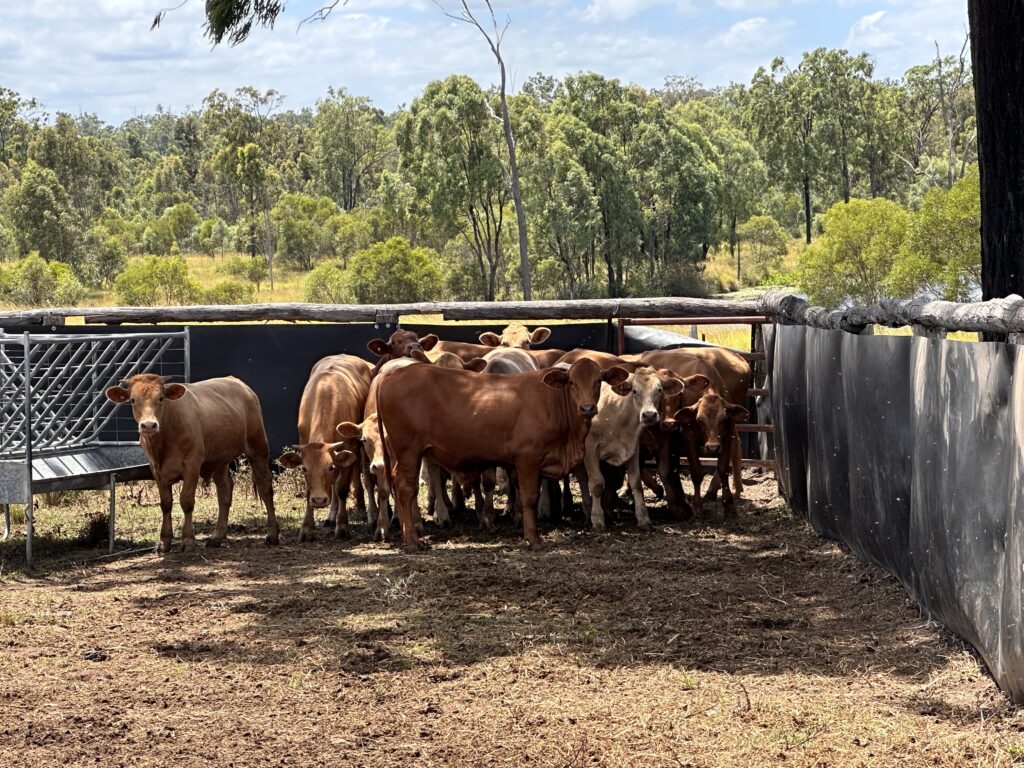
Grass-fed beef looks different because the cattle live differently. The fat is often creamier, softer, and slightly yellow instead of bright white. That difference reflects the animal’s natural diet, movement, and pasture conditions. Around Bundaberg, more people are noticing these traits when buying directly from local producers.
After speaking with farmers and butchers in Bundaberg, one thing stands out quickly. Customers who switch to pasture-fed beef often describe the flavour as cleaner and more natural, even before learning about the nutritional side.
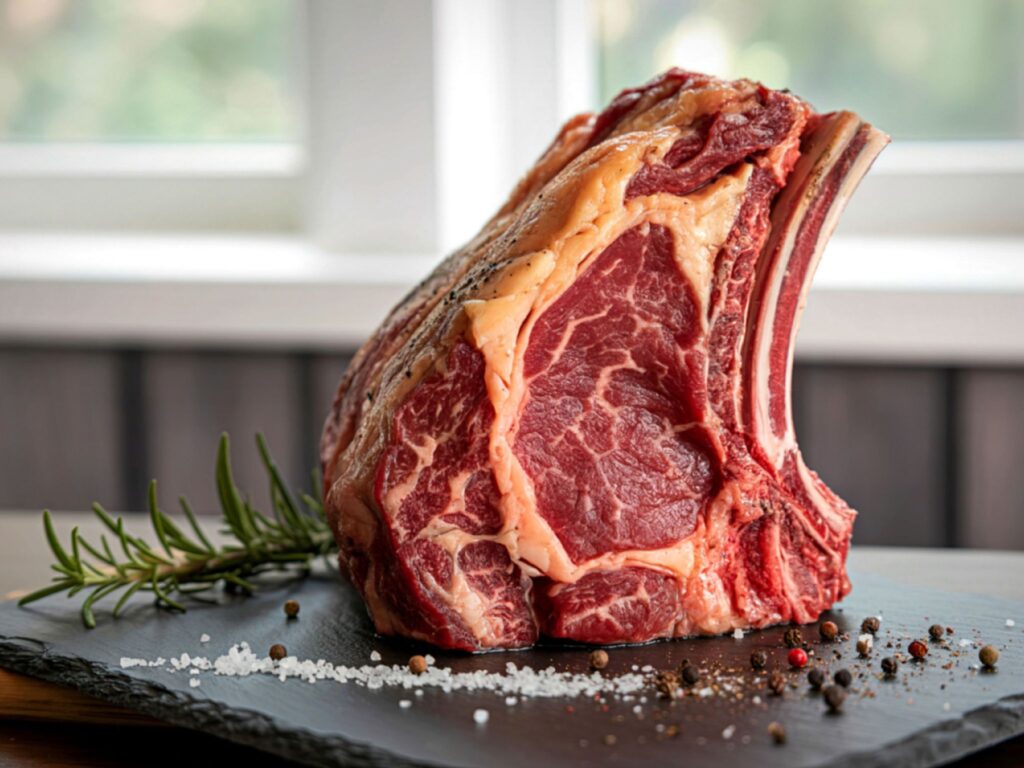
Why does grass-fed beef fat look yellow instead of white?
Grass-fed beef carries natural beta carotene
The yellow tint in grass-fed beef fat comes from beta carotene found in green pasture. Cattle grazing naturally absorb nutrients from grass, and traces remain in the fat.
In Bundaberg, greener pasture conditions often create deeper colouring in local pasture-fed cuts. Unlike grain-fed systems that chase bright white fat, pasture-raised cattle develop a more natural appearance.
The texture feels cleaner and lighter
Grass-fed cattle walk constantly and graze naturally. This creates leaner muscle and finer fat distribution instead of thick marbling.
The result is a steak that feels less oily while still carrying strong flavour. Many people find pasture-fed cuts easier to enjoy regularly.
Pasture-fed beef reflects seasonal farming conditions
Grass-fed beef changes slightly with the seasons because pasture quality changes too. Wetter months can deepen colour and subtly affect flavour.
That variation shows the product comes from genuine paddock farming rather than controlled feedlot systems.
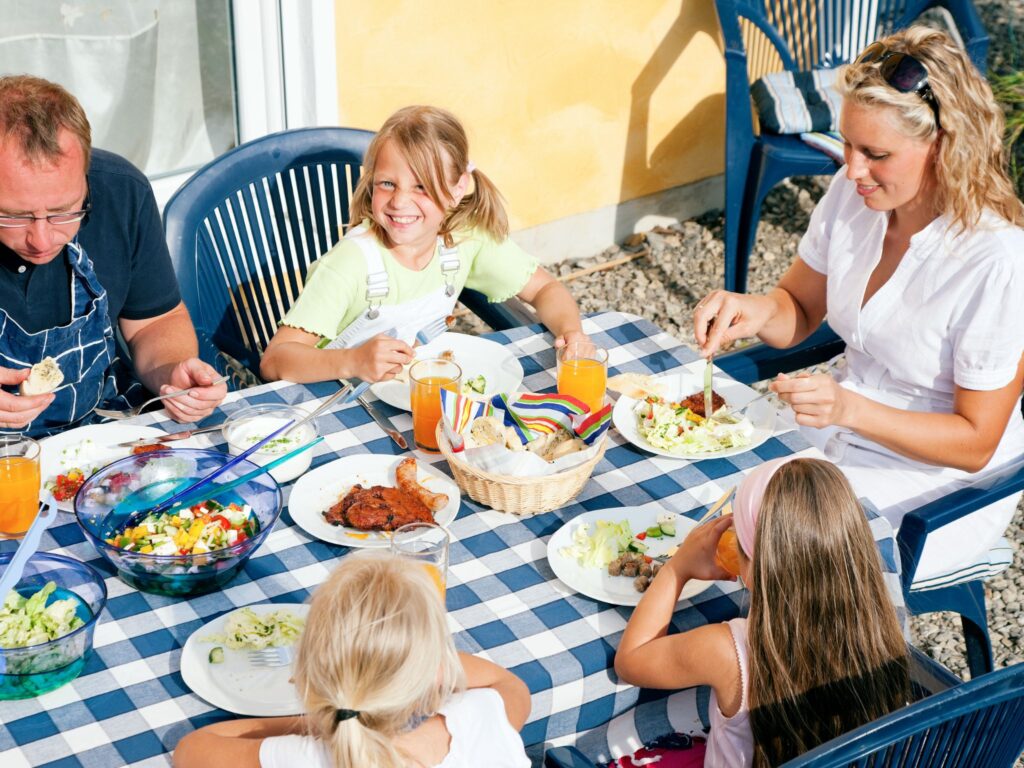
Why is grass-fed beef becoming more popular with Australian families?
Grass-fed beef offers a stronger natural flavour
It delivers a richer and more earthy flavour compared to grain-fed cuts. Instead of tasting buttery, it offers a more traditional beef flavour.
Pasture type also shapes the taste. Cattle grazing tropical grasses around Bundaberg develop subtle flavour differences compared to southern regions.
This shift reflects changing food habits across Australia. More customers now value transparency and want to understand how their food is produced before buying.
Customers want clearer food sourcing
People increasingly want to know where food comes from and how animals are raised. Producers openly sharing their farming methods often connect better with customers.
Smaller farms in Bundaberg are increasingly sharing more about their paddocks, cattle, and farming practices so customers can better understand where their food comes from.
From a health perspective, grass-fed beef stands out due to its natural pasture-based diet and active grazing lifestyle. It contains more Omega-3 fatty acids and CLA than grain-fed beef, supporting heart, metabolic, and immune health. It also provides higher levels of Vitamin E, lutein, and antioxidants that support overall wellbeing.
Grass-fed beef supports slower farming methods
Grass-fed systems usually follow slower production cycles. Cattle spend more time grazing naturally instead of being rapidly fattened.
During one visit near Bundaberg, a producer explained that customers now ask detailed questions about pasture quality and feeding methods before purchasing. Those conversations were far less common years ago.

Why does grass-fed beef cook differently at home?
Grass-fed beef cooks faster than grain-fed cuts
Because pasture-fed beef contains less dense fat, it cooks more quickly. Excessive heat can dry the meat out faster than grain-fed steak.
Lower cooking temperatures usually create better texture and flavour.
Resting time matters more with leaner beef
Resting allows juices to settle evenly through the meat fibres. With leaner cuts, this step becomes especially important.
Even a short resting period can noticeably improve tenderness.
Grass-fed beef suits simpler cooking styles
Pasture-fed beef usually works best with simple preparation. Salt, pepper, careful heat control, and proper resting time are often enough.
Many families in Bundaberg preparing local pasture-raised cuts prefer straightforward cooking methods because the flavour already carries depth.
Ready to experience real pasture-raised beef?
If you have only eaten heavily marbled supermarket steak, genuine pasture-fed beef can completely change how you judge quality. The colour, flavour, and texture all reflect natural farming practices and honest Australian farming.
At Ironbark Beef, every cut is raised with care on open pasture to deliver authentic flavour straight from the farm. If you are looking to bulk buy quarter beef, half beef, or full beef boxes, explore the range from Ironbark Beef and experience real paddock-to-plate quality from Bundaberg.