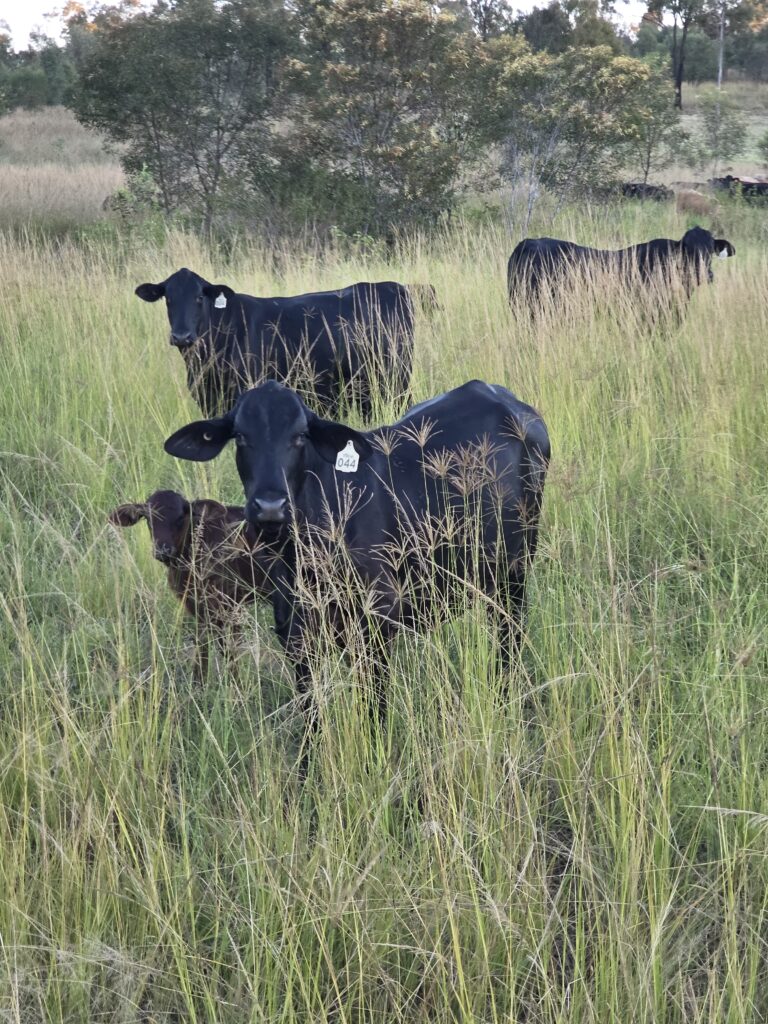
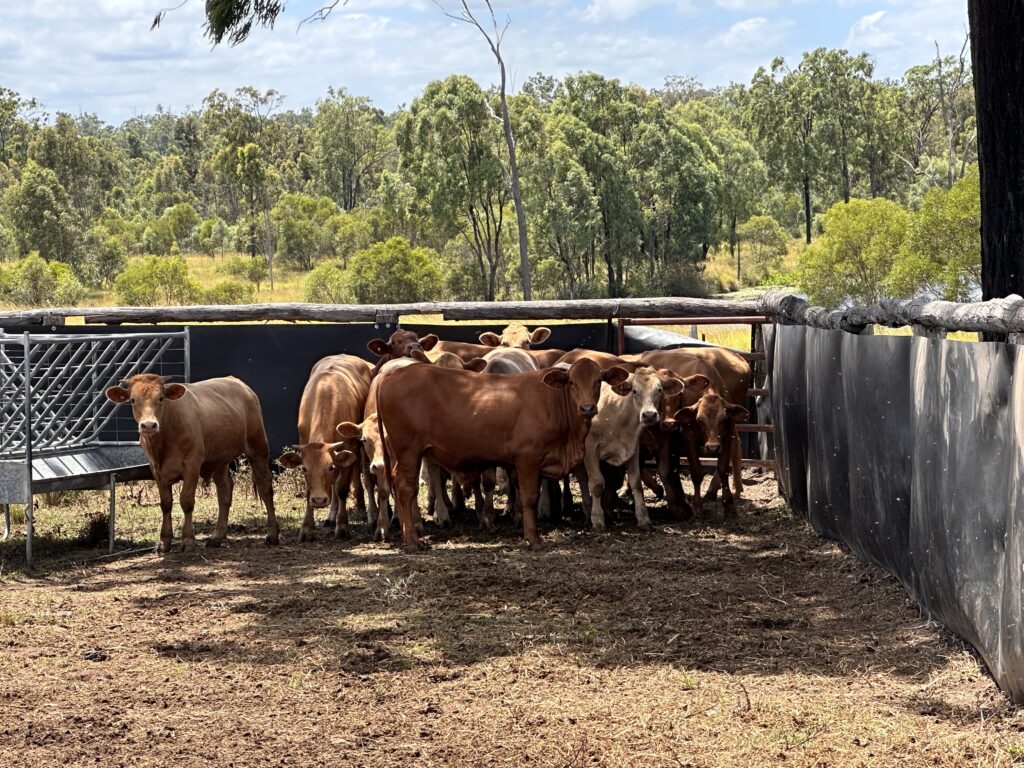
Grass fed beef in Australia is gaining popularity as more Australians seek natural, pasture-raised options for their meals. Valued for its depth of flavour and lean profile, it fits well with the lifestyle of those wanting clean, wholesome food grown in harmony with the land.
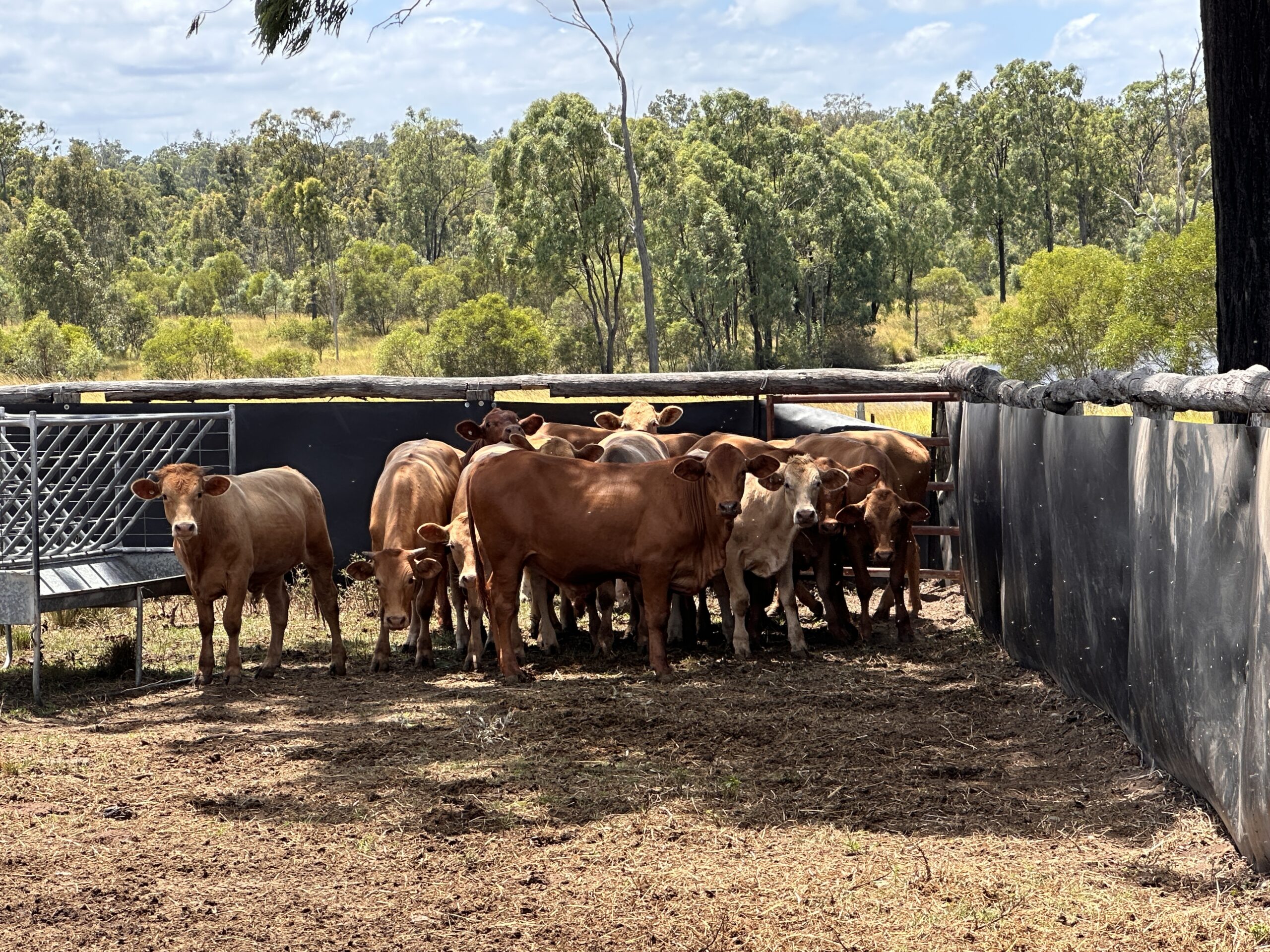
Grass fed beef in Australia – What does it mean?
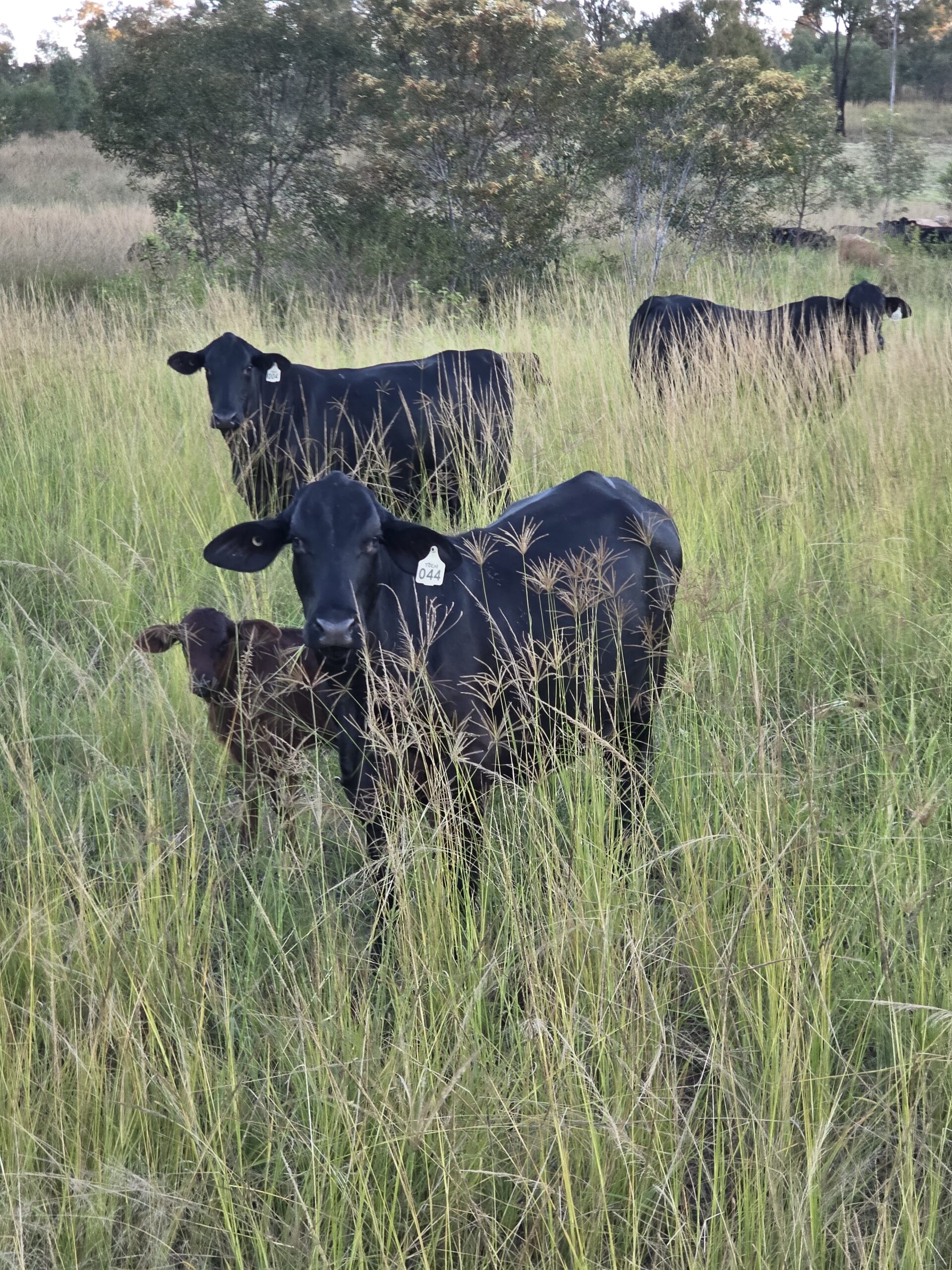
Grass fed beef in Australia refers to cattle raised mainly on pasture, eating a natural diet of grasses and forage throughout their lives. Unlike grain-fed cattle, these animals roam freely and consume what nature provides.
Natural pasture diet makes all the difference
The main factor that defines grass fed beef in Australia is the diet. The cattle feed primarily on fresh pasture which supports healthy digestion and produces leaner meat. This lifestyle also results in a beef product with a distinct and earthy flavour.
Life on open paddocks helps shape the meat
Cattle that are raised on grass often live in open fields where they can graze freely. In Australia, this approach supports not just the health of the animal but also reflects a more traditional farming method that fits our environment.
Occasional supplementation but still mostly grass fed
There may be times when supplementary feeding becomes necessary, particularly in seasons of drought or poor pasture quality. Even so, grass fed beef in Australia continues to mean most of the animal’s life is spent eating grass.
Grass fed beef in Australia how does it compare with grain fed beef
There are some notable differences between grass fed and grain fed beef. These include flavour, nutritional value, fat content and even the farming methods involved.
Nutritional differences between grass fed and grain fed
One of the reasons people choose grass fed beef is because it tends to be leaner and may contain more omega-3 fatty acids and antioxidants. It also has less intramuscular fat compared to grain fed beef, making it a preferred option for those seeking healthier meals.
Taste and texture influenced by the natural environment
Meat from grass fed cattle has a slightly stronger, richer flavour. This comes from the variety of natural grasses the animals eat. Many chefs and home cooks appreciate the taste and believe it complements classic Australian dishes.
Farming methods and ethics play a role too
Raising cattle on pasture is an approach many producers choose for ethical and environmental reasons. While grain-fed cattle are typically finished in feedlots, grass fed beef in Australia often comes from farms that use rotational grazing methods which help maintain soil and pasture health.
Grass fed beef in Australia how much of it is produced in the country
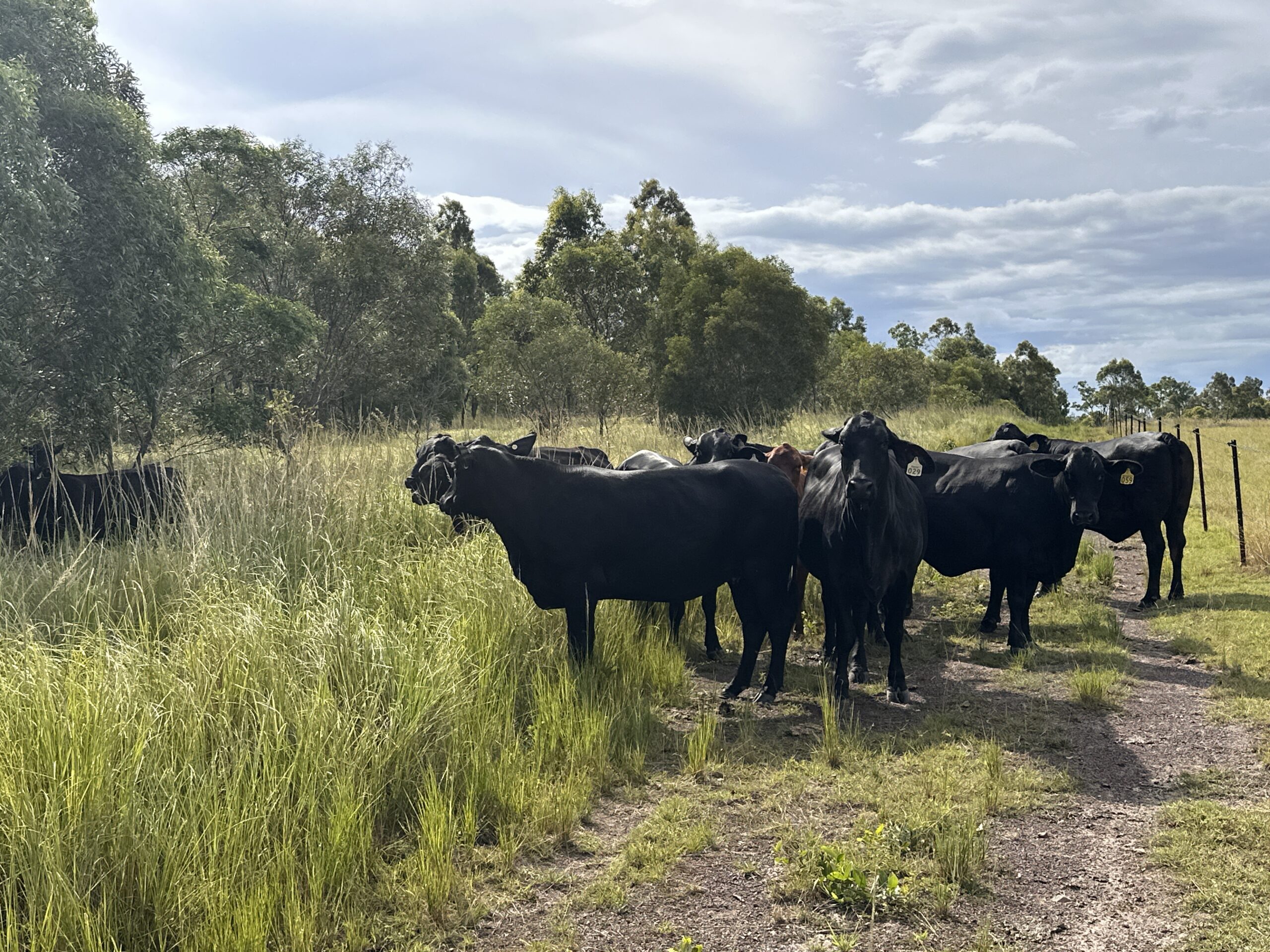
Australia has long been known for its vast grazing land and cattle farming traditions. A large portion of the national beef supply falls under the grass fed category.
Majority of cattle raised on pasture
According to industry sources, around 97 percent of cattle in Australia are raised on pasture for most of their lives. This means grass fed beef in Australia is not just a niche product but a major part of the country’s meat production.
Strong market both locally and overseas
Beef from pasture-raised cattle is in high demand not just within Australia but also internationally. Many export markets seek grass fed beef for its clean and natural image, which supports the growth of the industry.
Ironbark Creek is proud to support pasture raised farming
Ironbark Beef are committed to producing grass fed beef that reflects our values. Our cattle are raised on natural grasses, in open spaces, and with great care to ensure quality meat that Australian families can enjoy with confidence.
Grass fed beef is more than just a food trend. It is a return to a natural way of farming that supports health, flavour, and sustainability. Whether you are preparing a barbecue or a weeknight meal, choosing grass fed beef offers a taste of the land and a connection to how food should be. Ironbark Beef is proud to be part of this movement, delivering quality you can taste in every bite.